
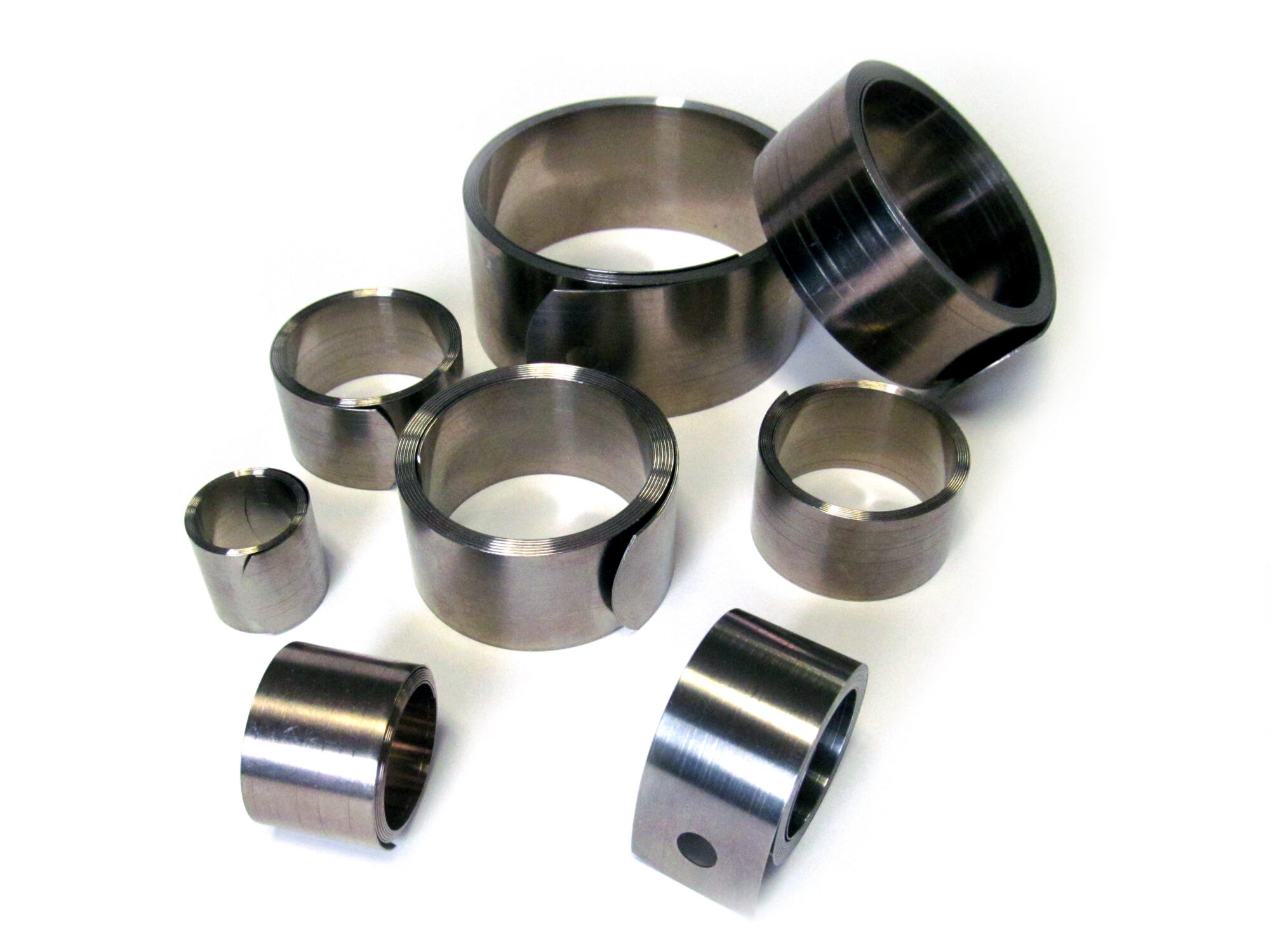
Aerospace engineering often brings jet engines, advanced avionics, and sophisticated systems to mind. Springs rarely make the list.
Yet throughout modern aircraft, spacecraft, and defense systems, precision-engineered springs perform critical functions that help ensure safety, reliability, and performance under some of the most demanding operating conditions imaginable.
The truth is simple: aerospace innovation depends on thousands of carefully engineered components working together. Springs are among the most important.
Why Aerospace Demands More from Springs
Aerospace environments leave little room for error. In such a demanding environment, all components must operate reliably under extreme temperatures, intense vibration, rapid pressure changes, and continuous mechanical stress. In many applications, spring failure can lead to costly maintenance, system downtime, or compromised performance.
That is why aerospace manufacturers rely on custom-engineered spring solutions designed to meet strict specifications for:
- Load capacity
- Fatigue resistance
- Corrosion resistance
- Weight reduction
- Long-term reliability
Whether installed in commercial aircraft, military equipment, satellites, or unmanned systems, every spring must perform exactly as intended.
Where Springs Are Used in Aerospace Systems
Most passengers never see them, but springs are integrated throughout modern aerospace platforms. They work in a way we take for granted.
- Flight Control: Precision springs help regulate movement and positioning within critical control mechanisms, contributing to accurate and responsive operation.
- Landing Gear: Heavy-duty spring components are used to absorb forces, assist with deployment systems, and support repeated operations.
- Engine and Fuel: Custom springs maintain pressure, support valve operation, and help ensure consistent performance under extreme conditions.
- Avionics and Electronics: Miniature springs provide reliable electrical contact and mechanical support within highly sensitive aerospace electronics.
- Space Applications: In satellites and spacecraft, springs often support deployment mechanisms, latching systems, and vibration management solutions where reliability is essential.
Engineering for Extreme Environments
Designing a spring for aerospace applications is far different from the standard process. When choosing materials, engineers must carefully evaluate factors such as:
- Environmental exposure
- Load requirements
- Lifecycle expectations
- Weight restrictions
Materials like stainless steel, Inconel®, and specialty alloys are often selected for their ability to perform under demanding conditions. Every design decision contributes to the single objective of dependable operation.
Beyond the Component
In aerospace engineering, success is often measured by what never happens. Passengers never notice a properly functioning system, pilots never think about components performing exactly as designed, and maintenance teams appreciate equipment that continues to operate reliably year after year.
Behind many of those outcomes are engineered spring solutions working quietly in the background.
The Vulcan Spring Difference
We engineer custom spring solutions for complex applications where precision, consistency, and performance matter.
Our team works alongside OEMs, design engineers, and manufacturers to develop springs that meet demanding specifications while supporting long-term operational reliability. In aerospace applications, even the smallest component plays a critical role.
Ready to work with Vulcan Spring? Contact us, and let’s get started.